Mold Removal in North Port Estates, FL
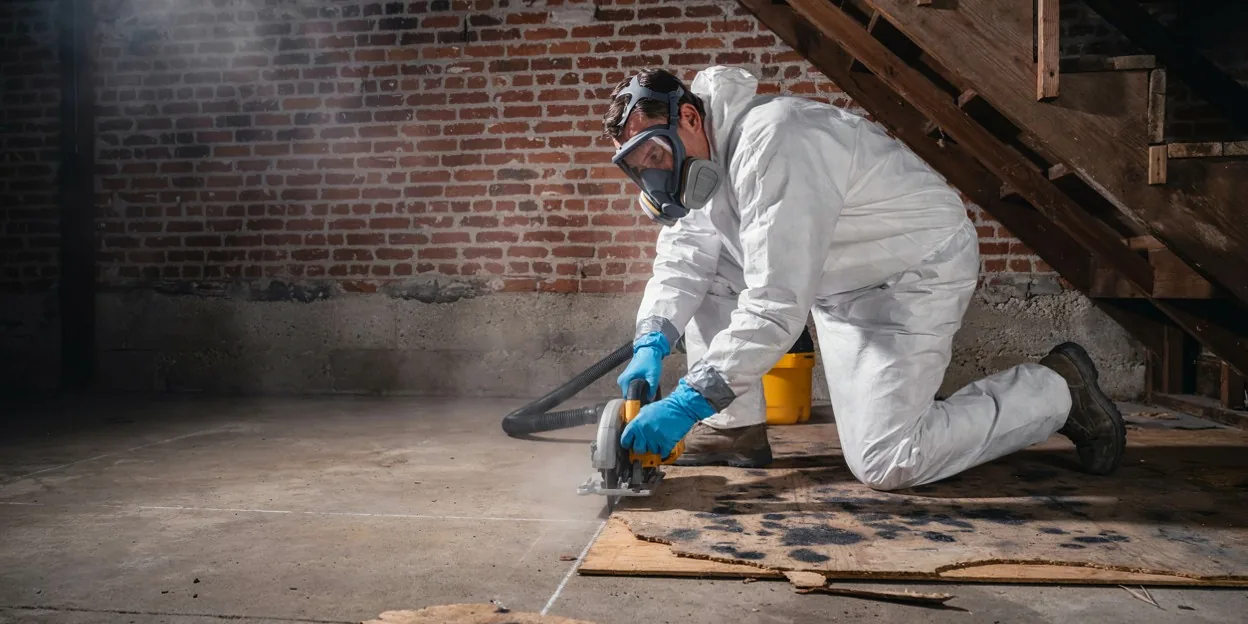
North Port Estates is the acreage section north of Interstate 75, where the GDC grid gives way to lots of an acre or more along dirt and shell roads, with horses behind some fences and the Myakkahatchee Creek and the Carlton Preserve on the edges. The houses are a mix: 1980s and 1990s block ranches, manufactured homes, and newer custom homes built in the 2010s and 2020s as the land filled in. Nearly every house is on a private well and a septic tank.
Acreage changes the moisture picture. A well pump and pressure tank sit in the garage or a shed and leak quietly against a wall. A drain field that floods in a wet season pushes moisture up under the slab. Detached garages and pole barns take water and nobody notices for weeks. When Ian dropped more than 20 inches of rain in September 2022, the creek and the low ground up here held water for days, and some roads were impassable.
North Port Estates homeowners who call us reach an independent mold provider who works north of the interstate. The provider meters the house and the outbuildings before writing a scope.
What acreage lots call about
Slab moisture from a saturated drain field leads to mold removal along the base of the walls. Outbuildings and barns that smell with nothing visible are mold odor removal. Manufactured homes with wet floors after flooding often become whole-home mold remediation.
Wells, septic, and a city utility that has not reached here yet
Most of the Estates sits outside the reach of North Port Utilities, which supplies city water and sewer to the grid south of the interstate and keeps a round-the-clock line for water emergencies there. Up here the water is yours. That means a crew tracing a wet slab asks about the well equipment and the drain field before anything else, because those are the two sources the city's grid does not have.
Call (941) 420-6510 now and tell us whether the house is block, frame, or manufactured and what got wet. We put you through to a mold provider who works North Port Estates.
Services Available in North Port Estates
Mold Removal
Containment, negative air, and removal of wet drywall, trim, and insulation from a North Port block house, then cleaning and drying of what stays.
Black Mold Removal
Dark growth handled under full containment and protective gear. Color does not name the species, and the steps do not change.
Whole-Home Mold Remediation
Room-by-room containment and removal after storm water, weeks without power, or a house closed up through a wet summer.
HVAC Mold Cleaning
Air handler, coil, drain pan, and duct cleaning when the musty smell arrives every time the air conditioning cycles on.
Bathroom Mold Removal
Growth on ceilings, in grout, behind vanities, and inside wet drywall from steam and slow leaks, the most common first call.
Attic Mold Remediation
Roof-deck and truss mold from lifted shingles, blocked soffits, and flex duct sweating in a hot North Port attic.
Mold Odor Removal
Tracing a musty smell to the wet material behind it, removing that material, and clearing the air instead of masking it.
Mold Damage Repair
Drywall, baseboard, insulation, and cabinet bottoms rebuilt after removal, with the water source fixed before anything closes up.